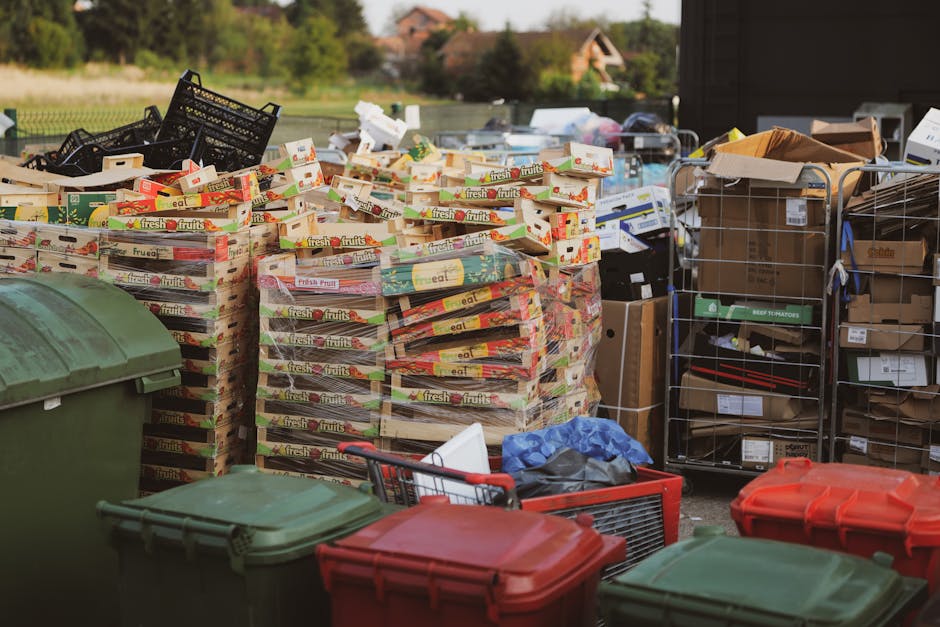
What to know about delays in Hackney rubbish collection
If you live or work in Hackney, a missed or delayed rubbish collection can turn into a surprisingly big headache. One bag on the pavement becomes two, then a smell creeps in, and suddenly the hallway, courtyard, or bin store feels messy before breakfast. What to know about delays in Hackney rubbish collection is not just a timetable question; it is about preventing stress, keeping shared spaces usable, and knowing what to do when things do not go to plan.
This guide breaks down the common causes of delays, what they usually mean in practice, how to respond, and when it makes sense to arrange a quicker alternative. It is written for ordinary London life: flats, terraces, house shares, small businesses, and those awkward corners where waste seems to multiply overnight. Truth be told, it happens to everyone eventually.
Table of Contents
- Why delays in Hackney rubbish collection matter
- How delays in Hackney rubbish collection work
- Key benefits and practical advantages
- Who this is for and when it makes sense
- Step-by-step guidance
- Expert tips for better results
- Common mistakes to avoid
- Tools, resources and recommendations
- Law, compliance, standards, or best practice
- Options, methods, or comparison table
- Case study or real-world example
- Practical checklist
- Conclusion
- Frequently asked questions
Why delays in Hackney rubbish collection matter
Collection delays are inconvenient at the best of times, but in a busy borough like Hackney they can quickly become a real household or business issue. Waste storage is often limited, especially in flats with small bin stores or shared access. When bins are left full, rubbish piles up in bags, attracts pests, and creates friction between neighbours. Nobody wants that conversation in the stairwell. Nobody.
There is also a practical side. If you have a clear-out, are moving home, or are dealing with bulky items, a missed collection can derail your plans for the week. For small businesses, especially shops, cafes, offices, and managed properties, a delay can affect hygiene, customer experience, and how tidy the premises look. Even when the issue is temporary, it can have knock-on effects that feel bigger than the delay itself.
And there is the reputational side too. Shared buildings are sensitive places. One missed uplift in the wrong week can mean complaints, mess in communal areas, and an avoidable spiral of "whose bag is that?" If you have ever stood beside a brimming bin at 7:30 a.m. wondering where it all came from, you will know exactly what this feels like.
Expert summary: The best way to handle rubbish collection delays is to stay calm, check whether the issue is temporary or recurring, reduce overflow where possible, and choose a fallback option before the mess gets out of hand.
How delays in Hackney rubbish collection work
In simple terms, a delay means your expected collection does not happen on the usual day or within the expected window. Sometimes the reason is obvious: access problems, vehicle issues, weather disruption, roadworks, or a backlog after a busy period. Other times, the issue is less clear and you only notice the result: the bins are still there, and the street is not quite as tidy as it should be.
It helps to separate a one-off delay from a wider service pattern. A one-off delay is annoying but manageable. A repeated delay suggests something else is going on, such as access restrictions, incorrect bin presentation, overfilled containers, or an ongoing scheduling issue. That distinction matters because the fix is different.
For example, if you live in a narrow street or a block with a difficult bin-store layout, a vehicle may not be able to reach the collection point at the planned time. In a busy part of Hackney, that can be enough to shift the service to a later slot or another day. In a shared building, bins may be collected only if they are set out correctly and accessible. Small detail, big impact.
Where rubbish has built up beyond what the regular service can handle, a separate waste removal solution can sometimes be the more practical route. Services like waste removal or specialist clearances such as house clearance and flat clearance are often used when the usual bins are simply not enough.
Key benefits and practical advantages
Knowing how to respond to rubbish collection delays gives you more control. That sounds obvious, but in practice it matters a lot. You are not left guessing whether the delay is normal, whether the bags should stay out, or whether you should arrange another option. That clarity saves time and reduces stress.
There are several clear benefits:
- Less overflow: You can move quickly before rubbish starts spreading into hallways, front gardens, or bin stores.
- Better hygiene: Fewer delays mean fewer smells, fewer pests, and less contact with waste.
- Less neighbour conflict: Shared buildings run more smoothly when everyone knows what is happening.
- Faster recovery: If the regular collection slips, you already know your next step.
- Smarter budgeting: When delays happen often, you can compare short-term fixes against a more reliable alternative.
There is also a commercial advantage for landlords, estate managers, and businesses. If you manage multiple properties or a busy office, having a backup plan for waste can avoid that last-minute scramble where the bins are full, the lift smells a bit off, and someone is blaming the wrong contractor. Not ideal.
Who this is for and when it makes sense
This topic matters to a wider group of people than you might expect. Of course, it is relevant to residents waiting for household bins. But it is also relevant to landlords, letting agents, business owners, caretakers, building managers, and anyone dealing with bulky or irregular waste.
You will probably benefit from a clear plan if you are in one of these situations:
- You live in a flat with limited storage and no spare space for extra bags.
- You are clearing out furniture, old appliances, or loft clutter.
- You manage a property where bin access is shared and sometimes blocked.
- You run a business that produces more waste than a normal domestic collection can comfortably handle.
- You are preparing for a move, refurbishment, or end-of-tenancy clean-out.
It can also make sense if the delay is not actually about the council schedule at all, but about your own waste presentation. Sometimes the collection is not missed; it is refused, postponed, or left because the waste was not placed correctly. That feels like a delay from the outside, but the fix is different. Annoying, yes. Common, also yes.
Step-by-step guidance
If your Hackney rubbish collection is delayed, the best response is usually calm and methodical. Here is a practical way to handle it.
- Check whether it is a one-day slip or a recurring problem. One-off disruptions happen. A pattern needs more attention.
- Confirm the waste was presented correctly. Look at bin placement, access, lid closure, sorting, and whether anything blocked the route.
- Separate recyclable material if needed. Mixed waste, loose bags, and contamination can complicate collection.
- Reduce exposure. Keep lids shut, secure loose bags, and move waste away from entrances where possible.
- Document the issue. A quick note, photo, or time stamp can help if the problem repeats.
- Decide whether to wait or act. If the pile is small, waiting may be fine. If it is growing fast, arrange an alternative.
- Choose the clean-up route that fits the volume. A few bags may be manageable; larger household or office waste may need a more structured solution.
For larger jobs, it may be more efficient to combine the delayed waste with a planned clear-out. A garage full of old cardboard, a loft stacked with broken furniture, or a back room in an office can often be handled more effectively through a dedicated service such as garage clearance, loft clearance, or office clearance.
Expert tips for better results
Here is the part that tends to save people the most trouble. A few small habits make delays much easier to manage.
First, keep waste as compact and contained as possible. Flatten cardboard, seal bags properly, and avoid overfilling. Overstuffed bags split. Then you are sweeping up tea bags and packaging crumbs off the pavement, which is nobody's favourite pastime.
Second, know your building's weak points. In Hackney, access issues often come down to tiny things: a locked gate, a parked car, a bike across the path, a bin lid left ajar. These details matter more than people realise.
Third, do not wait until the smell is the signal. If you can see a build-up starting, act early. Early action is cheaper, tidier, and far less embarrassing.
Fourth, treat bulky waste separately. Bulky items and normal household rubbish are not the same problem. If you have sofas, wardrobes, broken chairs, or renovation debris, it is usually better to deal with them directly rather than hoping a delayed collection will sort everything out.
Fifth, check sustainability as part of the decision. A proper clearance service should not simply take the waste away and disappear. It should also have a clear approach to sorting and recycling. If that matters to you, look at a provider's recycling and sustainability information before booking.
A small aside: a lot of people spend more time managing the problem than solving it. Easy to do. But once you know your fallback, the whole situation gets much calmer.
Common mistakes to avoid
When collections are delayed, people often make the same handful of mistakes. Avoiding them can make the whole situation easier.
- Leaving waste where it blocks access. If bins or bags are in the wrong place, the delay can become longer.
- Adding more loose rubbish on top. That usually makes the mess worse and harder to sort later.
- Ignoring repeated delays. One missed day is a nuisance; repeated problems deserve action.
- Assuming every issue is the same. A schedule disruption, access block, and overfilled bin all need different responses.
- Waiting too long to book a fallback service. If the pile is already growing, waiting another day can mean more smell, more hassle, and more cleanup.
- Choosing the cheapest option without checking basics. Reliability, insurance, waste handling, and punctuality are worth more than a low headline price.
If the delay keeps happening, it may be wiser to look at a more dependable collection route. For example, home and household clearances can sometimes be lined up with a broader tidy-up through home clearance, while larger property jobs may be better handled through house clearance.
Tools, resources and recommendations
You do not need a lot of equipment to manage a delayed collection, but a few practical tools help.
- Heavy-duty bin bags: Useful for containing waste safely when bins are already full.
- Labels or notes: Handy in shared buildings where waste ownership or sorting can become unclear.
- Phone camera: A quick photo helps if you need to record the condition of the bins or access route.
- Gloves and basic cleaning kit: Useful when moving waste or cleaning spills.
- Spare storage space: Even a small temporary spot can help if you need to keep bags out of the way for a day or two.
For larger or more awkward waste, use a service that matches the material type. Builders' debris is different from old office chairs. Garden cuttings are different from broken cupboards. If you are dealing with renovation waste, builders waste clearance is usually a better fit. If you are clearing outdoor waste or hedge trimmings, garden clearance makes more sense.
For household items, furniture and upholstery may need separate handling through furniture clearance or furniture disposal. In a business setting, business waste removal is often the most practical route, especially when time matters and the waste cannot wait around.
Law, compliance, standards, or best practice
Waste handling in the UK is not something to take casually. Even when you are only trying to deal with a delay, you still want to keep to good practice. That means not fly-tipping, not leaving waste to spill into public areas, and not handing rubbish to anyone who cannot responsibly dispose of it.
For households, the main point is simple: present waste correctly, keep communal areas safe, and avoid creating hazards. For landlords, businesses, and managing agents, the standard is higher because you have a duty to keep shared spaces reasonably clean and usable. That does not mean perfection. It does mean being proactive.
As a general best practice, check that any clearance provider handles waste lawfully, has appropriate insurance, and can explain how waste is managed after collection. If you want to understand how a provider approaches the practical side of safety and responsibility, pages like health and safety policy, insurance and safety, terms and conditions, and complaints procedure can be useful reading before you commit.
One more practical point: if waste is repeatedly left out because a collection is delayed, it can become a hygiene and access issue very quickly. In shared blocks, that affects everybody. Best practice is to act early rather than let the problem quietly grow.
Options, methods, or comparison table
If you are deciding what to do about delayed rubbish, it helps to compare the main options side by side.
| Option | Best for | Pros | Limitations |
|---|---|---|---|
| Wait for the next collection | Small, contained delays | No extra cost, simple | Can lead to overflow if the delay continues |
| Reduce and secure the waste | Short delays in flats or homes | Helps prevent mess and smells | Does not remove the waste |
| Book waste removal | Growing piles, bulky items, urgent situations | Fast, practical, tailored to volume | Additional cost |
| Book a property clearance | Moves, voids, end-of-tenancy, major declutters | Handles larger amounts in one go | May be more service than you need for a small delay |
There is no single right answer. A small domestic delay might just need patience and better bin management. A full flat clear-out after a move? That is another story entirely. In those situations, comparing a simple flat clearance or more comprehensive home clearance against waiting for the next bin day can save a lot of hassle.
Case study or real-world example
Imagine a shared flat near a busy Hackney high street. The bin store is tucked behind the building, and one collection day is missed because a parked vehicle blocks access. By the time the residents notice, the food waste bin is full, two refuse sacks are sitting beside it, and someone has added a broken chair from the hallway because "it was already a mess." That is how things snowball. Quietly, then suddenly.
Instead of waiting another few days and hoping everything sorts itself out, the residents split the problem into parts. They remove the loose bags from the entrance, keep the bin area clear, and separate the chair from the household waste. A quick decision is made: the loose rubbish can wait, but the chair and a few accumulated items from the flat need a proper collection. The chair and other unwanted items are booked for a dedicated clearance, while the remaining waste is stored more safely.
The result is not dramatic. No miracle. Just a sensible reset. The flat smells better, the entrance is usable again, and the next collection can happen without extra obstacles. That is usually how it works in real life: a few practical decisions, taken early, save everyone from a bigger mess later.
Practical checklist
Use this checklist when collection delays start affecting your home or building.
- Check whether the delay is one-off or repeated.
- Look for access problems around bins, gates, or parked vehicles.
- Make sure waste is bagged, sorted, and placed correctly.
- Keep lids shut and loose items secured.
- Move waste away from entrances and shared walkways.
- Record the issue if it may need follow-up.
- Separate bulky items from everyday rubbish.
- Decide whether waiting is realistic or whether a fallback is needed.
- Compare the volume of waste with the right service type.
- Check provider trust signals like insurance, safety, and sustainability information.
If you are handling a larger clear-out, it can also help to review practical booking and payment details before you proceed. Pages such as pricing and quotes and payment and security can help you prepare with fewer surprises.
Conclusion
Delays in Hackney rubbish collection are frustrating, but they do not have to turn into a bigger problem. The key is to understand whether you are dealing with a short disruption, a recurring access issue, or waste that genuinely needs a separate clearance. Once you know that, the next step becomes much simpler.
For small delays, good bin presentation and a bit of patience may be enough. For bigger build-ups, especially in flats, shared buildings, or businesses, it often makes more sense to act quickly and arrange a more suitable waste solution. That keeps the space cleaner, the people calmer, and the whole situation a lot more manageable.
Get a free quote today and see how much you can save.
And if you are still staring at a full bin store wondering how it got this bad, take a breath. It is fixable. It really is.
Frequently Asked Questions
Why is my rubbish collection delayed in Hackney?
Delays can happen for a few different reasons, including access issues, vehicle problems, roadworks, bad weather, or a backlog after a busy period. Sometimes the issue is simply that bins were not accessible or presented correctly.
What should I do first if my bins were not collected?
Check whether the delay is part of a wider disruption or just a one-off. Then make sure the waste is placed correctly, secure any loose bags, and avoid blocking access while you decide whether to wait or arrange another solution.
How long should I wait before doing something else?
That depends on the amount of waste and how quickly it is building up. If the delay is short and the bins are contained, waiting may be fine. If waste is overflowing or causing smells, it is better to act sooner.
Can a missed collection be caused by access problems?
Yes. In shared streets and blocks, access issues are a common cause of missed or delayed collections. A locked gate, parked vehicle, narrow route, or blocked bin store can all prevent a collection from going ahead.
What if my rubbish is starting to smell?
That is usually a sign you should not wait too long. Keep waste bagged and contained, move it away from living areas if possible, and consider a faster collection option if the delay is ongoing.
Is it better to book waste removal or wait for the next collection?
If the waste is small and the delay is short, waiting may be enough. If you have bulky items, a growing pile, or a flat clearance situation, booking a dedicated service is often the more practical choice.
Do bulky items count as normal rubbish?
Usually not in any practical sense. Bulky items like sofas, wardrobes, and broken chairs are often better handled separately from everyday bagged waste, especially if the regular collection is already delayed.
Can businesses use the same approach as households?
Not always. Businesses often produce more waste and may need a more reliable collection plan. For offices, shops, and small commercial spaces, a dedicated business waste arrangement is usually the safer bet.
How can I stop repeat delays becoming a bigger issue?
Look for the pattern. If the problem keeps happening, review access, bin storage, and waste presentation. If those are fine, it may be time to use a more dependable backup service.
What should I look for in a waste contractor?
Look for clear communication, lawful disposal practices, suitable insurance, a sensible approach to health and safety, and a transparent pricing structure. Those basics matter more than a flashy promise.
Is recycling still possible if rubbish collections are delayed?
Yes, and it is worth keeping recyclable materials separate where possible. A good waste provider should also have a clear approach to sorting and recycling, which helps keep the job tidy and responsible.
Where can I get more help with a larger clearance?
If the delay is tied to a bigger clear-out, it may be useful to look at options such as house clearance, flat clearance, office clearance, garden clearance, or builders waste clearance depending on the material involved and the amount you need removed.